Home › Industrial and Heavy-Duty Asphalt Paving
Handle heavy traffic with industrial asphalt paving in Lexington, KY. We design and install reinforced asphalt surfaces for truck yards, loading docks, and warehouse areas. Thicker sections, stronger bases, and proper drainage help your pavement support constant heavy loads.
Precision Asphalt Lexington provides professional industrial asphalt paving throughout Lexington, KY, Kentucky and the surrounding area. Our licensed, insured crew delivers safe, clean, on-time work with a free estimate before anything begins. Call (859) 710-8754 or request your free quote.
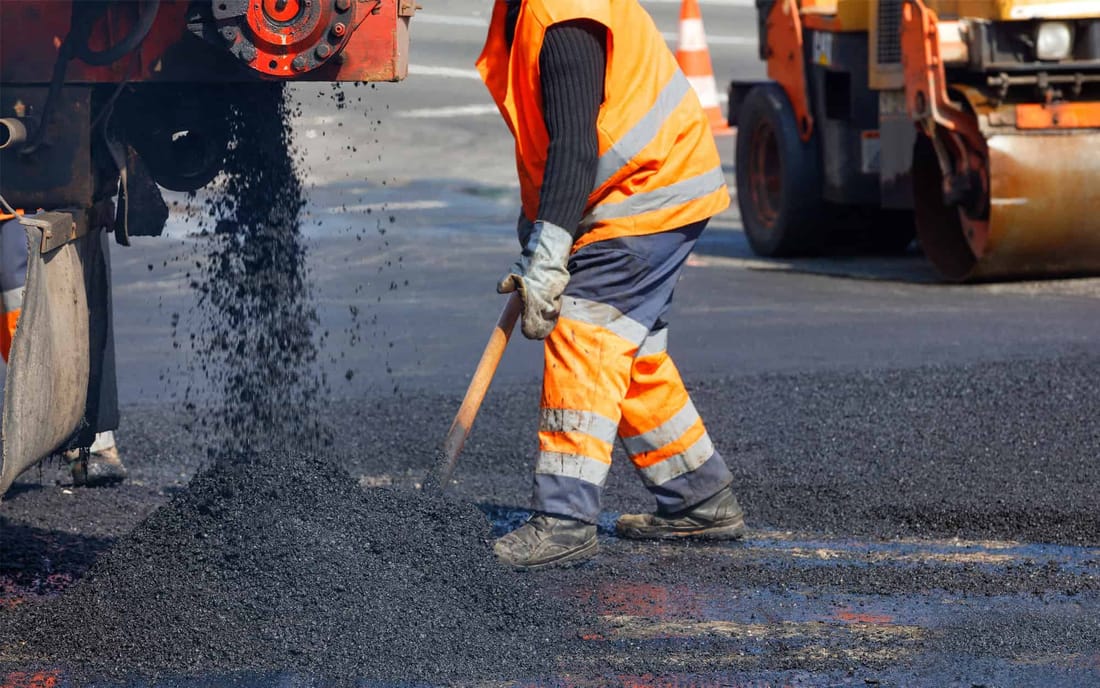
Industrial Asphalt Paving for Heavy Loads in Lexington, KY
Industrial asphalt paving is a different level of work compared to standard parking lots or driveways. At Precision Asphalt Lexington, we design pavements for heavy truck traffic, forklifts, loaded trailers, and constant turning movements that are common at industrial sites in and around Lexington, KY. Our goal is to build a surface that keeps operations moving without rutting, shoving, or crumbling under weight.
Typical projects include distribution centers near I-75 and I-64, manufacturing plants, farm co-ops, waste and recycling facilities, trucking terminals, and heavy equipment yards. These sites see high wheel loads, static loading from parked trailers, and frequent fuel or chemical exposure. Every one of those factors affects how we design the pavement structure.
Rather than relying on “standard” parking lot specs, we look at real site conditions: expected daily truck counts, axle loads, type of equipment, underlying soil strength in this part of Kentucky, and drainage constraints. The result is a custom industrial asphalt paving plan that fits your specific operation instead of a generic section that fails in a few years.
How We Design Heavy-Duty Pavements That Last
A durable industrial pavement starts with a realistic design. Precision Asphalt Lexington uses a step-by-step approach before any asphalt arrives on site.
First, we evaluate traffic. We distinguish between light employee cars, box trucks, semis, and yard dogs that turn sharply and carve into the surface. We also account for stationary loading areas, such as docks where trailers sit for long periods and transfer heavy loads to the pavement below.
Second, we assess the Lexington subgrade. Many sites here have a mix of clay and limestone fragments. Clay holds water and loses strength when saturated, so we check for pumping, soft spots, and existing base failures. In older industrial areas, such as retrofitted warehouses, we frequently find thin, inconsistent base layers under random patches of old blacktop or concrete. We core or excavate test spots as needed to see what is truly underneath.
Third, we size the pavement structure. That means selecting the right thickness of compacted stone base, base asphalt, intermediate (binder) course, and surface (wearing) course. Heavy-duty sections often include thicker stone bases, higher performance binders, and tougher aggregate that resists polishing and rutting under truck tires.
Finally, we address drainage, which is especially important in Kentucky’s freeze-thaw cycles. Standing water at dock doors or in traffic lanes quickly destroys industrial asphalt. We plan longitudinal and cross slope, trench drains, and tie-ins to existing storm systems so water leaves the pavement quickly.
On-Site Construction Process for Industrial Asphalt Paving
Industrial and heavy-duty asphalt paving projects in Lexington usually cannot shut down fully, so our construction plan focuses on phasing and safety. Precision Asphalt Lexington coordinates closely with your site managers to keep trucks and forklifts moving where possible while we build or rebuild sections.
Step 1 is demolition and excavation. We mill or break out failed asphalt and concrete, remove unsuitable subgrade, and haul away debris. In many older Lexington properties, we encounter undocumented layers of cinder, brick, or loose fill, which we remove or stabilize so they do not compromise the new pavement.
Step 2 is subgrade preparation. We proof-roll the exposed soil with loaded equipment to identify weak areas, then undercut and replace soft zones with compacted stone or stabilized material. Proper compaction, verified with equipment such as nuclear density gauges or plate tests, is crucial for industrial loads.
Step 3 is installing the aggregate base, usually dense graded stone compacted in thin lifts. For heavy-duty sections, we often use thicker bases than seen in retail parking lots, which helps spread heavy wheel loads and prevents pumping during wet seasons.
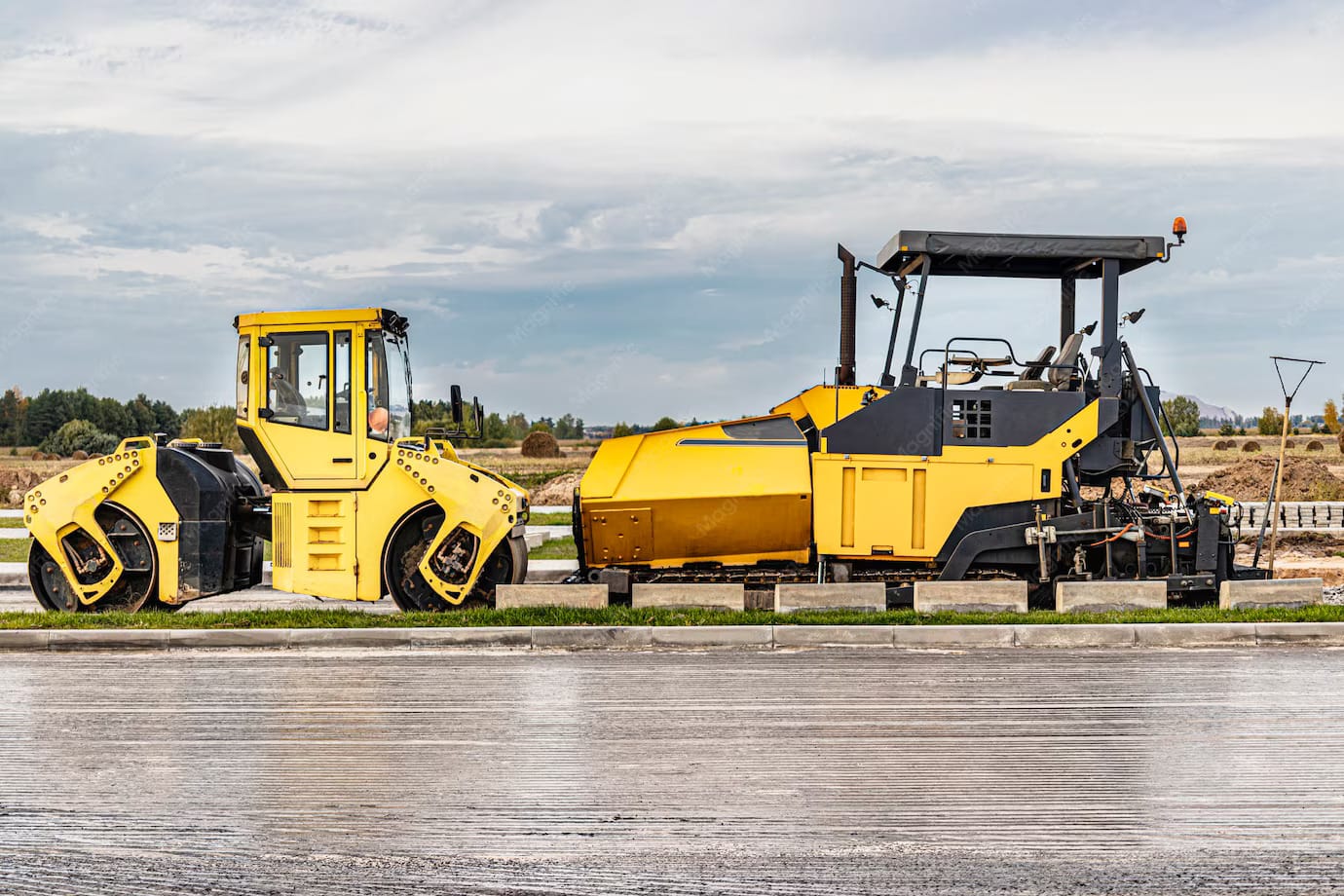
Step 4 is placing the asphalt in multiple courses. A typical industrial system might include a base course with a coarser mix for strength, a binder course for additional structure, and a tighter surface course that resists fuel, oil drips, and turning movements. We use pavers with automatic grade and slope control and compact with a combination of steel drum and pneumatic rollers to reach specified densities.
Throughout the process we maintain traffic control, signage, and safe pedestrian routes so your operations remain as uninterrupted as possible.
Material Options and Mix Designs for Heavy-Duty Use
Industrial asphalt paving depends on the right mix designs, not just thickness. Precision Asphalt Lexington works with local central Kentucky asphalt plants to specify industrial grade mixes that match your site’s needs and budget.
For heavy truck lanes and loading docks, we often recommend polymer-modified or performance graded binders that resist rutting and thermal cracking. These mixes handle the combination of summer heat on Lexington blacktops and the high shear forces from truck turning and braking.
Aggregate selection matters too. We specify harder, angular stone that locks together under compaction and maintains skid resistance. In high speed or sloped areas, such as access roads leading from New Circle Road, we pay special attention to surface texture to reduce the risk of skidding in rain or winter conditions.
In some industrial yards that see steel tracks, scrap metal, or sharp edges, we may propose thicker base courses or protective surface strategies. This might include sacrificial surface layers or a transition from asphalt to reinforced concrete right at dock plates or where outriggers or jack stands make direct contact with the pavement.
If your facility handles chemicals, fertilizers, or frequent fuel spills, we will discuss mix choices and possible surface treatments that better tolerate those exposures. The goal is to match mix design to real site abuse instead of assuming every area will see only car traffic.
What Drives Cost on Industrial Asphalt Projects in Lexington
Industrial asphalt paving costs more than standard light duty work because the stakes and structural requirements are higher. Understanding the main cost drivers helps you compare proposals fairly.
The first big factor is total pavement thickness and base depth. Heavier sections require more stone and more asphalt, which drives material and trucking costs. If your site has weak soils or a history of failures, we may recommend thicker bases or stabilization, which adds upfront cost but can prevent repeated patching.
Site access in Lexington also affects cost. Industrial facilities off tight city streets or in older districts may require more traffic control, smaller loads, or handwork near buildings and utilities. Wide open greenfield sites near the interstate are more efficient, and that is reflected in pricing.
Tie-ins to existing structures, such as dock pits, concrete pads, and trench drains, add labor. Cutting clean edges, doweling where needed, and matching elevations take time but are critical if you want smooth transitions for forklifts and pallet jacks.
Finally, phasing and off-hours work influence budget. If your operation requires night or weekend work to avoid interrupting production, labor and lighting costs will be higher. Precision Asphalt Lexington will walk you through different phasing options so you can decide where the balance between cost and operational convenience should be.
Common Industrial Pavement Problems and How We Prevent Them
Heavy-duty pavements in Lexington tend to fail in predictable ways. Knowing these patterns allows us to build against them from the start.
Rutting and shoving occur where heavy trucks stop, start, or turn repeatedly, such as at gatehouses and dock approaches. We counter this by using stiffer mixes, additional thickness, and careful compaction in these critical zones. In some cases we adjust the layout of traffic to reduce tight turning radii on the same spot.
Alligator cracking and base failures often trace back to poor drainage or weak subgrade. We design slopes that move water off the surface, check gutter lines, and, when necessary, upgrade underground drainage. In older Lexington industrial parks, we commonly replace undersized or clogged drain structures and reset catch basins to proper elevations.
Edge failures are common where heavy trucks drive too close to unsupported pavement edges or past the designed limit of the section. We address this by thickening pavement at edges, adding stone shoulders, or installing curbs or bollards to keep traffic where the structure can support it.
Fuel and oil damage near diesel pumps or service bays breaks down asphalt binders over time. We plan for this with tougher surface mixes, adjusted maintenance schedules, and sometimes hybrid designs that include concrete pads in the highest exposure areas.
Planning, Scheduling, and Long-Term Maintenance
Industrial asphalt paving succeeds when it is treated as part of your facility’s long-term operations plan instead of a one-time expense. Precision Asphalt Lexington starts with your production schedule, shipping windows, and safety requirements, then builds a paving and maintenance strategy around them.
Before work begins, we identify critical access points, emergency routes, and fire lane requirements. We also gather load data from your logistics team to prioritize the most stressed areas first. This planning is especially important for manufacturing plants and distribution centers that run multiple shifts in and around Lexington.
Once your new pavement is in place, we recommend a practical maintenance program. For heavy-duty surfaces, that usually means scheduled crack sealing to keep water out of the structure, periodic sealcoating where appropriate, and early intervention on any local depressions or ruts before they spread. We can set up annual or semi-annual inspection visits so you get professional eyes on the pavement on a regular basis.
When future expansions are likely, such as additional warehouse bays or increased truck counts, we design the original paving with tie-in points in mind. This avoids awkward transitions and patchwork that can cause operational problems later. Our goal is a pavement system that can grow with your business while staying safe, efficient, and cost effective.